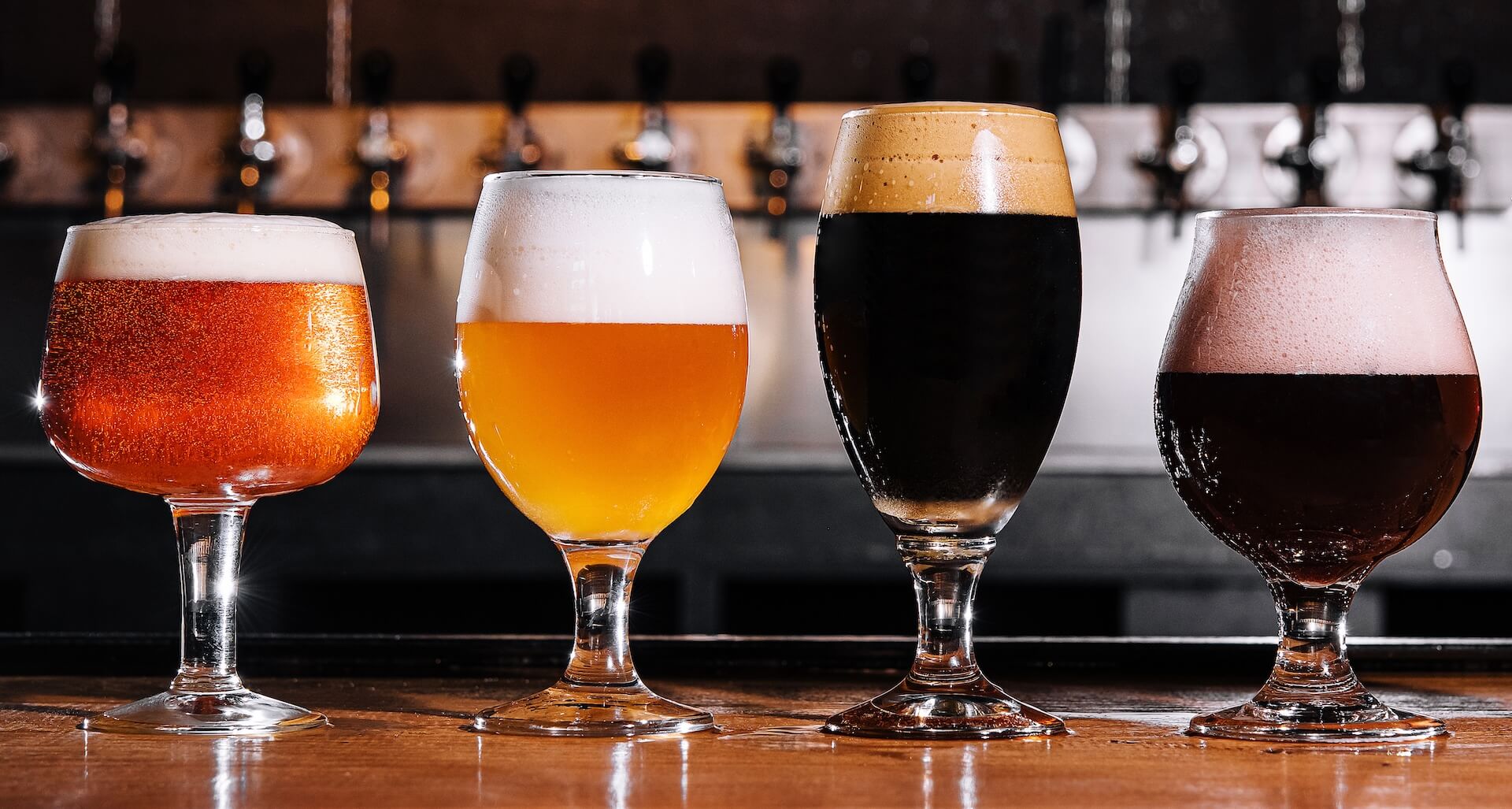
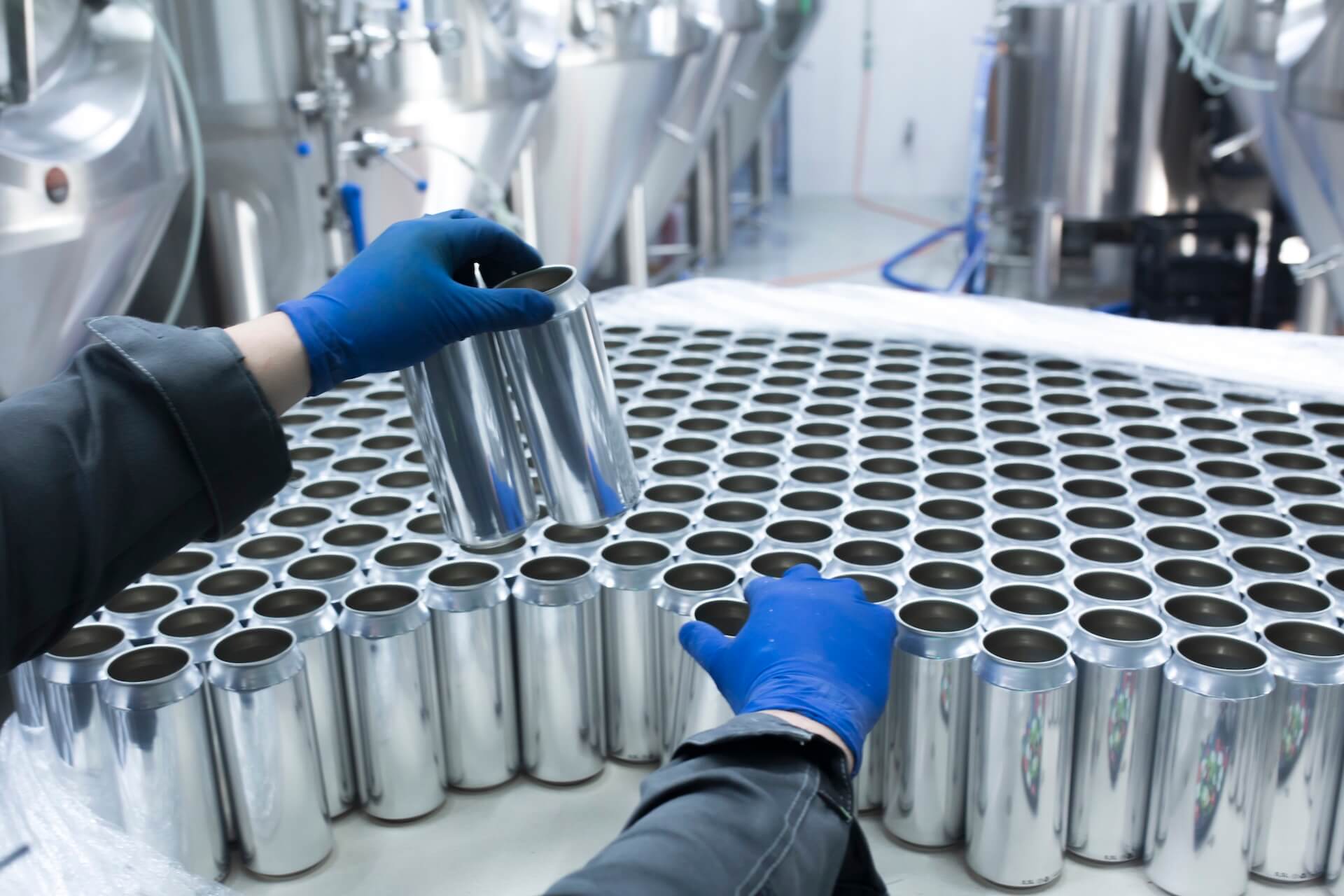
The craft beer industry is sending mixed signals. Headlines focus on contraction: declining brewery counts, distributor pullback and softer packaged demand. Yet in many breweries, a different reality is unfolding.
Taprooms continue to deliver the strongest margins in the business, draught beer is gaining share on-premise, and nearly half of breweries reported growth in the first half of 2025, even as the broader market cooled.
This isn’t a paradox. It’s a sorting mechanism.
Multi-location taproom strategies allow breweries to capture high-margin on-premise sales at scale while reducing dependence on volatile distribution channels.
The breweries finding momentum right now aren’t chasing scale through volume alone. They are redefining where profitability lives and how it’s protected. Increasingly, that means treating taprooms not as brand outposts, but as a coordinated, multi-location operating model designed for margin, resilience and data-driven decision-making.
The future of brewery profitability isn’t about brewing more beer. It’s about putting beer in the right places, at the right time, with systems that can keep up.
Taprooms Have Become the Most Important Profit Center in Craft Beer
Taprooms generate a large chunk of brewery revenue and, in most cases, deliver materially higher margins than distribution, making them critical to financial survival.
Taprooms have always mattered. What’s changed is how central they’ve become to brewery economics.
According to Brewers Association insights, draught beer and food account for roughly 79% of taproom revenue, delivering margins that consistently outperform traditional three-tier distribution, where margins often stall in the 30–40% range.
At the same time, CGA by NIQ reports that draught beer now accounts for more than half of all on-premise beer sales by volume, with significantly higher value velocity than packaged beer.
The data indicates that the most profitable beer a brewery sells is the beer it sells itself. The shorter the distance from liquid to lips, the stronger the margin. Yet many breweries still frame the taproom as an accessory to production and distribution. That framing is outdated.
Today’s taproom is a profit center, a demand signal, and a data engine. And the breweries leaning into that reality aren’t stopping at one location.

Why Is Operating a Single Taproom Increasingly Risky?
Single-location taprooms concentrate revenue risk and amplify volatility from seasonality, staffing and local demand swings.
While single-location taprooms can be successful, they can also be fragile. Volatility hits harder when revenue is concentrated in one location.
The Brewers Association taproom report shows draught beer sales can swing by an average of $7,600 between peak and trough months. Multi-location taproom strategies distribute that risk.
Different neighborhoods produce different traffic patterns. Weekday lunch crowds behave differently from weekend destination drinkers. Together, multiple taprooms smooth volatility and create a more predictable demand profile, but only if the business is built to support that complexity.
What Is the Hub-and-Spoke Brewery Model?
Multi-location taproom strategies built around the hub-and-spoke model centralize production while distributing sales through multiple taprooms to maximize margin and operational control.
The most effective multi-location breweries adopt a hub-and-spoke operating model designed for discipline, not just growth.
At its core, the model includes:
- A centralized production hub optimized for efficiency, quality and compliance
- Multiple satellite taprooms optimized for local engagement and high-margin sales
- Centralized visibility across inventory, financials and demand
This structure allows production to remain controlled while taprooms act as revenue accelerators. Without coordinated systems, however, complexity compounds faster than revenue, and growth becomes fragile. If your current tools are already showing strain, our software end-of-life guide breaks down how to recognize the signs and make the transition on your terms.
Real-World Proof of Breweries Scaling Taproom Profitability
This isn’t theoretical. Breweries are executing this model right now.
Topa Topa Brewing
Topa Topa built its growth around a Ventura-based production hub feeding satellite taprooms in Santa Barbara, Ojai and beyond. Instead of over-relying on distribution, the brand doubled down on neighborhood saturation, meeting consumers where they already gather.
The payoff is stronger margins, better demand signals, and tighter alignment between production and consumption.
Maui Brewing
Maui Brewing took a different but equally instructive approach. By refocusing on island-based taprooms and scaling back mainland distribution, the brewery aligned operations with its highest-margin channels. The result was greater operational control, improved profitability, and a brand experience that reinforced local authenticity.
Different geographies. Same lesson.
Multi-Location Taproom Operations Have a Predictable Breaking Point
Multi-location taproom operations break down when inventory, financials and production planning are managed without real-time visibility.
During a recent Crafted ERP webinar on managing taprooms and tasting rooms, one theme surfaced repeatedly: breweries don’t struggle because they lack demand. They struggle because their systems can’t keep up.
As Crafted’s Mike Malthaner explained, “Most of our customers aren’t asking how to sell more beer. They’re asking how to understand what’s actually selling, where it’s selling, and how to move inventory without breaking compliance or losing visibility.”
That gap between sales activity and operational insight is where growth starts to unravel.
Why Does Inventory Management Fail Across Multiple Taprooms?
Inventory breakdown is often the first warning sign. Many breweries attempt to track draught beer at the pour level, but this approach fails under real-world conditions.
As Mike noted, “All pours are not created equal. Some spill, some overpour, some get topped off. Trying to track individual pours doesn’t work.”
High-performing multi-location breweries instead:
- Track inventory at the keg or unit level
- Manage inter-location transfers intentionally
- Use cycle counts to reconcile reality
Approximation becomes control.
Financial Fragmentation is the Second System to Break
Financial visibility is delayed when location-level P&Ls require manual consolidation and arrive too late to inform decisions.
Financial fragmentation follows inventory breakdown quickly.
In the webinar, Mike demonstrated how real-time income statements enable operators to compare taproom performance. “Being able to pull a P&L by location goes a long way toward understanding where your top-performing assets are, and where you need to do something different,” he shared.
Without that immediacy, financial insight becomes historical rather than strategic.
Without Aggregated Taproom Data, Production Planning is Guesswork
Production planning breaks down when businesses lack aggregated sales data across taprooms, preventing accurate brewery demand forecasting.
CGA by NIQ data shows that draught beer delivers significantly higher value velocity than packaged beer, particularly in the craft segment.
Without aggregated taproom sales data, breweries are forced to brew on instinct rather than evidence.
The result is predictable. One location runs dry during peak demand while another carries slow-moving inventory. Tanks sit inefficiently utilized. Margin quietly leaks.

What Separates High-Performing Multi-Location Breweries?
The breweries executing multi-location taproom strategies successfully aren’t bigger than their competitors — they’re more disciplined. High-performing breweries succeed by using real-time data, automated compliance and location-level performance visibility to guide decisions.
Nearly half of breweries reported growth in early 2025, even as overall brewery counts declined. The differentiator wasn’t size or geography. It was operational discipline.
High-performing multi-location breweries manage by location rather than averages. They treat real-time visibility as non-negotiable, automate compliance as a baseline, and use demand data — not intuition — to drive production.
They aren’t reacting faster. They’re seeing sooner.
How Does Brewery ERP Support Multi-Location Taproom Strategies?
Purpose-built brewery ERP software unifies production, inventory, financials and compliance into a single operational system.
This level of coordination does not happen with disconnected tools.
As Mike noted, “These aren’t single-purpose tools. They’re flexible building blocks you can mix and match depending on how your taprooms actually operate.”
That flexibility allows breweries to expand their locations without reinventing their systems each time.
Taproom Expansion Has Shifted From a Growth Play to a Margin Strategy
Multi-location taproom strategies focus on margin protection, resilience and operational clarity rather than raw footprint expansion.
Multi-location taprooms aren’t about opening doors for the sake of scale. They’re about capturing margin closer to the consumer, reducing reliance on volatile distribution channels and building resilient, data-driven businesses.
The Real Question Is Whether Your Operations Can Scale With Your Ambition
The critical question is whether your operations can scale at the same pace as your taproom strategy.
Taprooms will remain central to brewery profitability. That’s been decided. Will your operations scale with your ambition?
Growth without operational clarity stalls and erodes margins. The breweries shaping the next chapter of craft beer are investing early in infrastructure. They’re replacing manual work with systems, guesswork with data, and risk with confidence.
That’s a leadership decision.
How Can Breweries Prepare for Multi-Location Taproom Growth?
Breweries building multi-location taproom strategies need systems designed to manage inventory, financials and compliance across locations. If your taproom strategy is evolving beyond a single address, your operating model must evolve with it.
Industry-specific platforms like Crafted ERP for breweries are designed to support multi-location brewery management from tank to tap, from location to location, and from today’s decisions to tomorrow’s growth.
The breweries that win next won’t brew more beer. They’ll manage it better.
Ready to scale with the same precision you bring to brewing? Contact us to see how Crafted ERP supports multi-location taproom strategies with real-time visibility, operational control and the confidence to grow without compromising compliance or margins.
Headed to CBC this year?
Let’s chat about what your brewery growth goals are and how we may be of help.