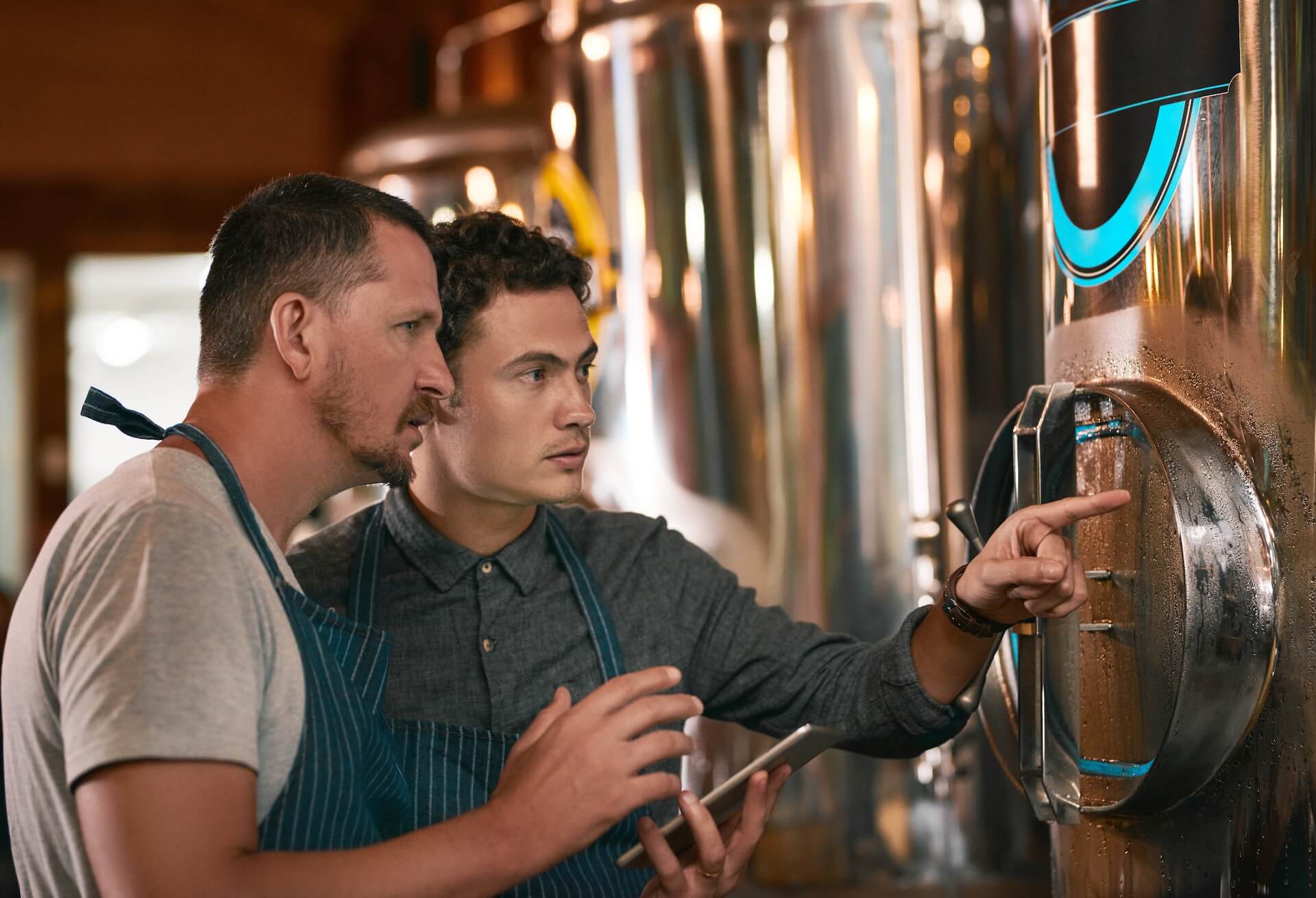
I’ve worn a lot of hats in the wine industry. I spent two decades on the production side, purple hands and all. I started in 2001 as a lab aide at Gallo, worked my way through the lab and the cellar, and eventually spent nearly a decade at Bronco Wine Company as a winemaker and barrel room manager. Over the years, I’ve made white, red, rosé, dessert, sparkling, and formula wine. My world was fermentations, blending trials, topping schedules, and lab panels.
Here’s what ERP was to me during all of that: nothing. Not something I resisted, not something I argued about. I simply didn’t think about it. Enterprise software was a thing that happened in the office, on the other side of the winery, to people who weren’t making the wine. I didn’t see what it had to do with me.
I understand it differently now. And the part that surprised me most is how much of what a good winery ERP does is aimed squarely at the winemaker: not the accountant, not the front office, but the person actually making the wine.
So here’s my take, from that side of the fence, on what winery ERP actually gets right.
What Does Your Wine Actually Cost? Be Honest.
Ask most winemakers what a specific lot costs to produce and you’ll get a confident-sounding estimate. Fruit, plus a rough number for barrels, plus “everything else.” It’s a guess dressed up as a figure, and we all knew what it was.
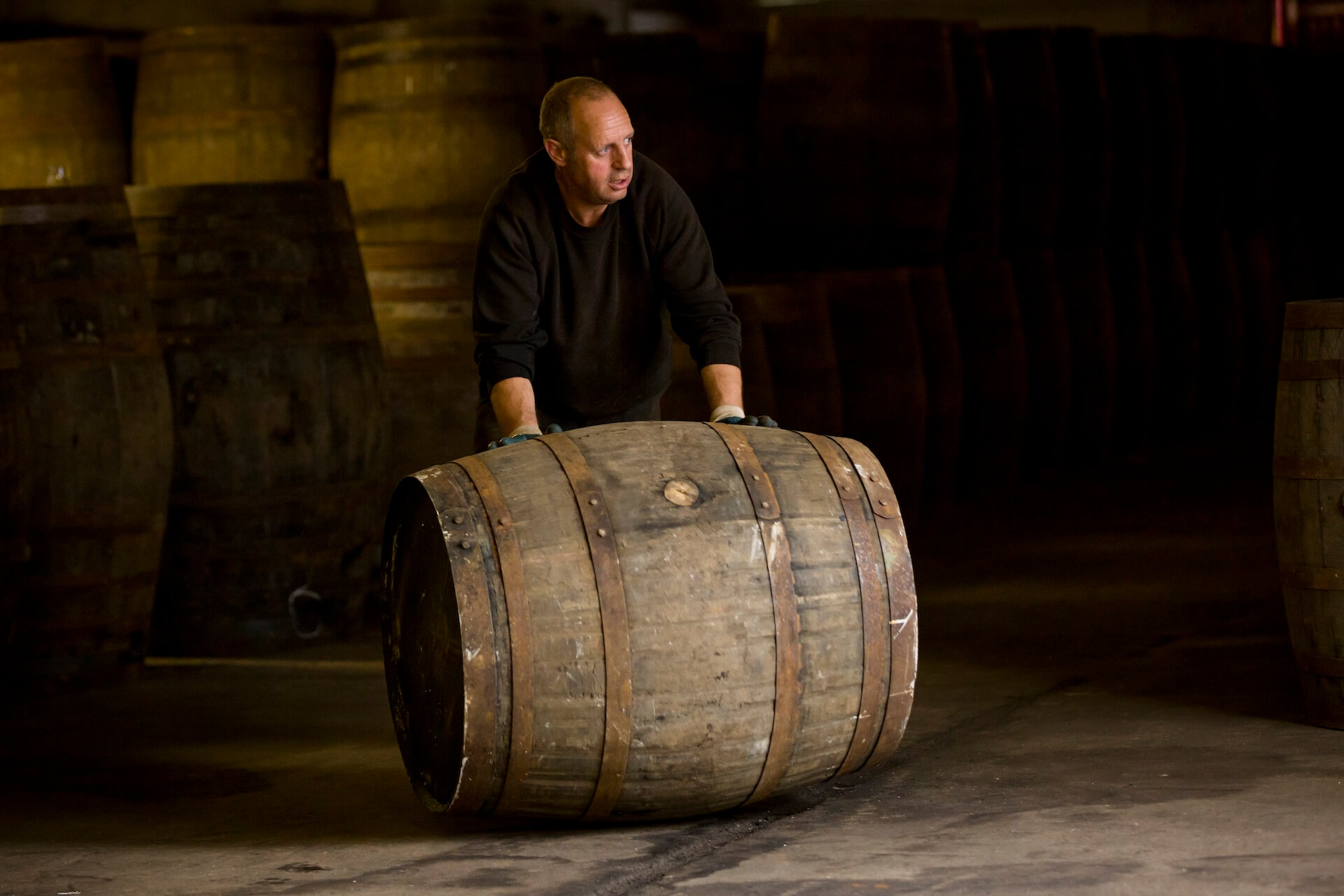
The trouble is that “everything else” is where the real money lives. The labor hours across a long fermentation. The cooperage, and how you spread the cost of a barrel across the wine it touches over three or four years. Additives, filtration media, energy, glass, closures, capsules, the bottling line. Bulk losses at every racking and transfer. None of that shows up cleanly in a spreadsheet built by someone with a hundred other things to do.
A winery ERP pulls all of it into the actual cost of the wine. Labor, materials, cooperage, packaging, and overhead are captured as the wine moves rather than reconstructed months later. When you know the true cost of a lot, blending decisions change. Bottling timing changes. The whole conversation about whether a program is worth making changes because it’s grounded in a number instead of a feeling.
That alone would have been worth my attention fifteen years ago. I just didn’t know to ask for it.

Where Does the Vineyard End and the Cellar Begin?
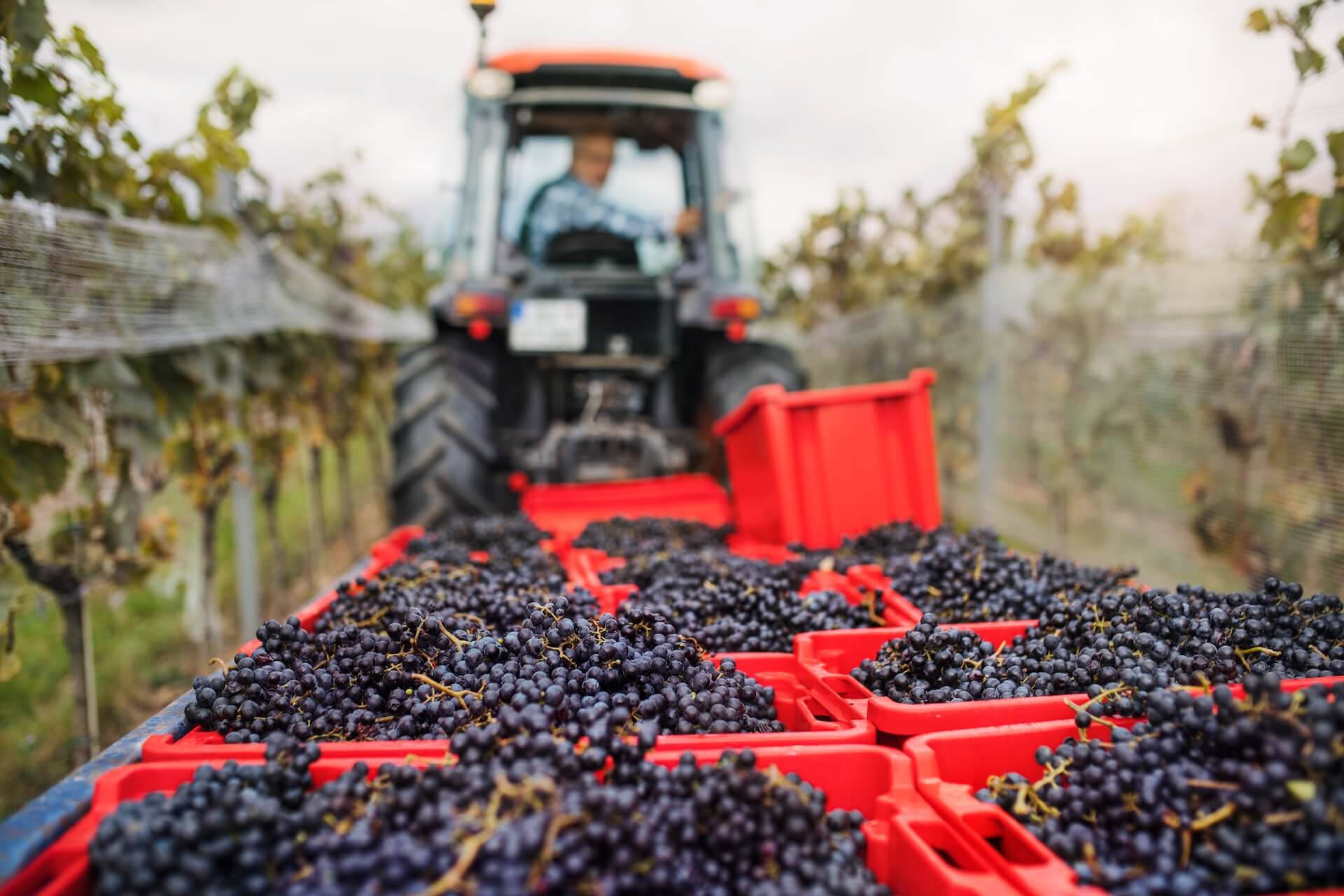
Every vintage starts before the fruit ever hits the crusher. Grower contracts, delivery schedules, weigh tags, and the numbers we pull at the scale: tonnage, brix, pH, the block it came from. That’s a mountain of information, and for most of my career, it lived in a different world from the cellar.
The fruit would come in, we’d log what we needed to log, and the paperwork went one direction while the wine went another. By the time that lot was aging in barrel, the story of where it came from had scattered across weigh tags, a grower’s invoice, someone’s clipboard, and my own memory. Reconnecting it later meant chasing down pieces that never should have been separated in the first place.
That gap between the vineyard and the cellar is one of the quieter problems in wine, and it’s an expensive one. When harvest data doesn’t flow into the system that tracks your wine, you lose the thread between what you paid for the fruit and what the finished wine actually costs. You lose the ability to compare a block’s performance year over year without digging for it. And you lose the clean line from vineyard to bottle that regulators and buyers increasingly expect.
A winery ERP closes that gap by carrying the fruit’s story forward. Grower, contract, block, tonnage, and the chemistry at delivery all attach to the lot and stay with it from the scale, through fermentation and barrel, to the finished bottle. The vineyard stops being where the record ends and becomes where it starts.
Winemakers Work in a Small World. That’s a Problem.
Winemakers work in a small world, and I mean that physically. Your world is the lab, the cellar, and whatever portable building got parked behind the tanks that year. You’re close to the wine and far from almost everything else: sales, inventory, finance, and the decisions that determine whether the winery you work for is actually healthy.
For most of my career, I liked it that way. The wine was my job; the business was someone else’s. But that distance costs you. You make blending and production calls without knowing what’s selling, what’s sitting, or what a choice does to the bottom line. You’re excellent at your craft and blind to the context around it.
When production, inventory, sales, and finance run in a single connected system rather than four disconnected ones, the distance closes. The winemaker can see how a lot fits the larger picture, and, maybe more importantly, the rest of the business can finally see what the winemaker already knows. That’s how a winemaker stops being the person in the back making the wine and becomes part of how the business is run.
I didn’t want that seat when I was younger. I wish I’d had the information to earn it sooner.
Does an ERP Turn You Into a Desk Jockey?
Here’s the fear I would have had, if I’d thought about it at all: “ERP means more screen time, more data entry, more of me chained to a desk instead of tasting through barrels.” The me now knows better, and that’s the whole point.
A winery ERP carries the administrative load that pulls winemakers off the floor. The cost tracking, the compliance records, the inventory reconciliation, and the reporting: the work that used to consume your evenings gets handled by the system. It doesn’t decide your blend or set your fermentation curve. It takes the overhead around the craft off your plate so you can spend your time in the cellar, where a winemaker belongs.
That’s the version of this I would have understood as a young winemaker. Not “here’s more software to learn.” More like: here’s something that keeps you out of the office and back in the cellar.
What I Wish I’d Known
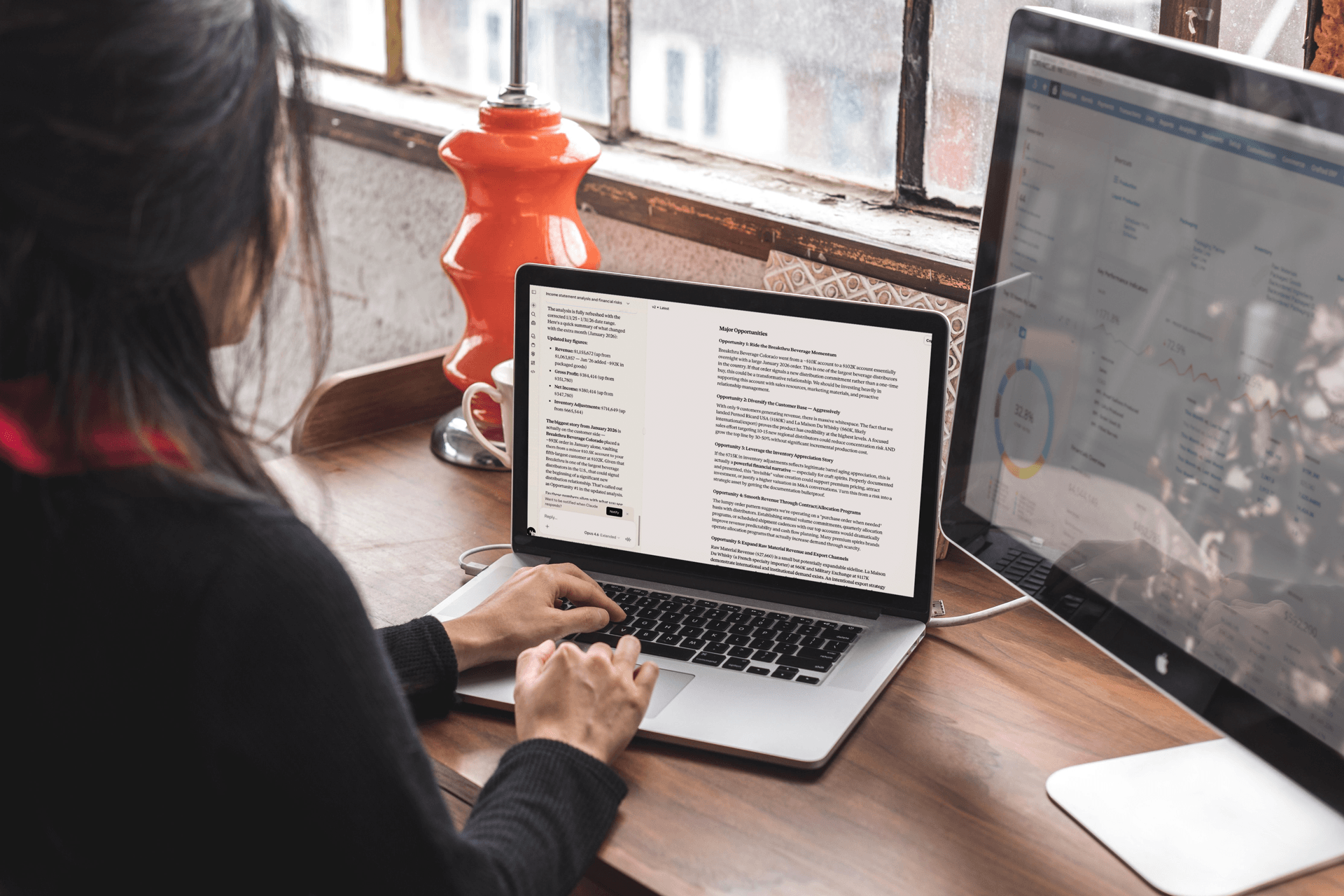
Crafted ERP is built for exactly the winemaker I used to be: the one who cared about the wine and never gave the systems a second thought. Built in Oracle NetSuite, Crafted brings production, inventory, sales, and finance into a single connected view, with the batch-level traceability, cost tracking, and compliance automation a winery actually runs on.
I crossed over to this side of the business in 2021, after 20 years of making wine, because I finally saw what it does for people like me. The winemakers who get the most out of a system like this aren’t the ones chasing the biggest numbers. They’re the ones who want to spend more of their day on the wine and less of it reconstructing where the money and the juice went.
If that sounds like your operation, I’d like to talk. Reach out to my team or me for a business analysis or a closer look at what Crafted does for wineries specifically.
Mike Alley is a product manager at Doozy Solutions, the team behind Crafted ERP. Focusing on the winery edition, Mike joined the team in 2021 after two decades in winemaking. He held roles at Gallo, Oak Ridge Winery in Lodi, and nearly a decade at Bronco Wine Company, where he served as winemaker and barrel room manager. Over his career, he has produced white, red, rosé, dessert, sparkling, and formula wines.