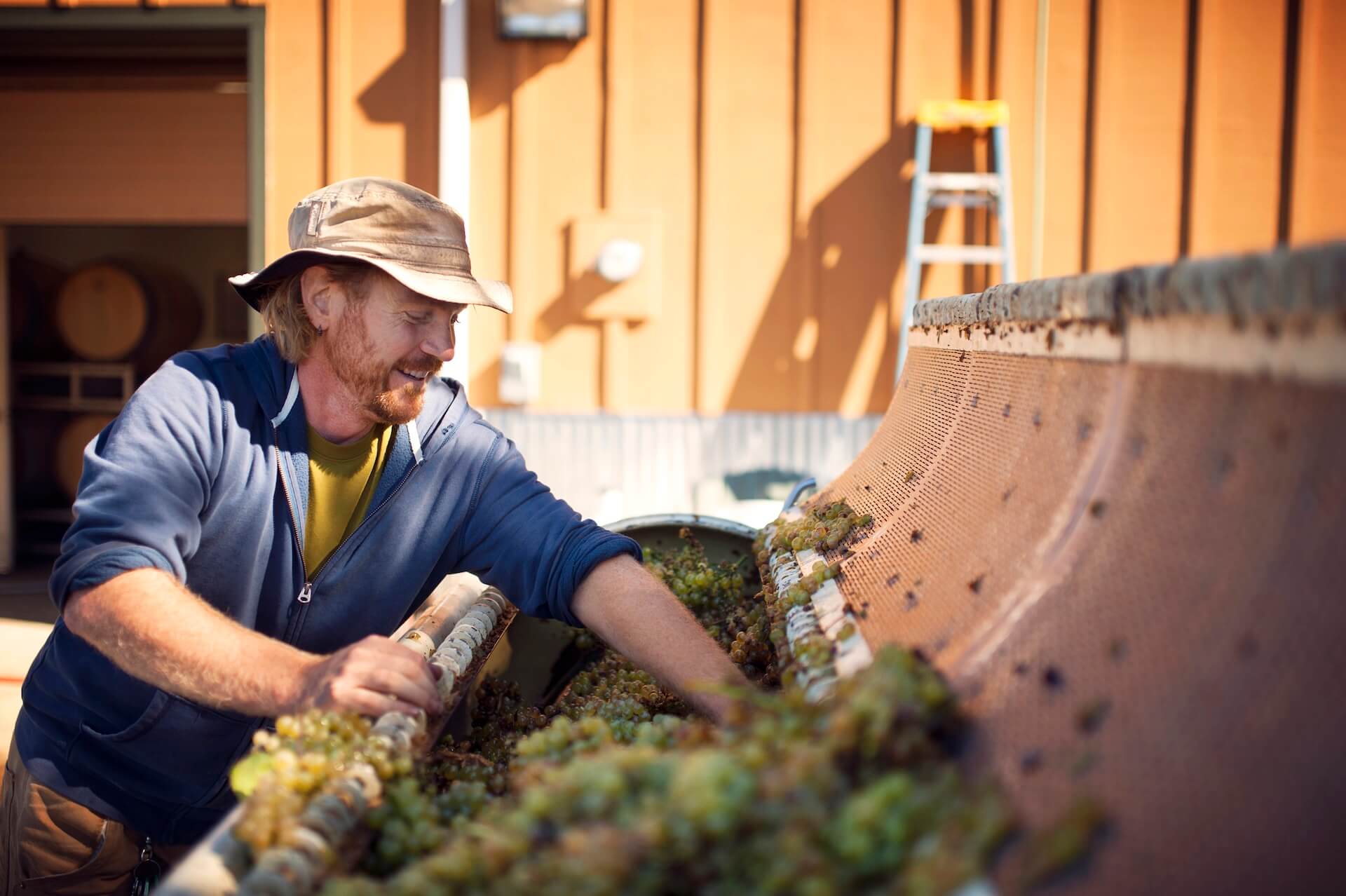
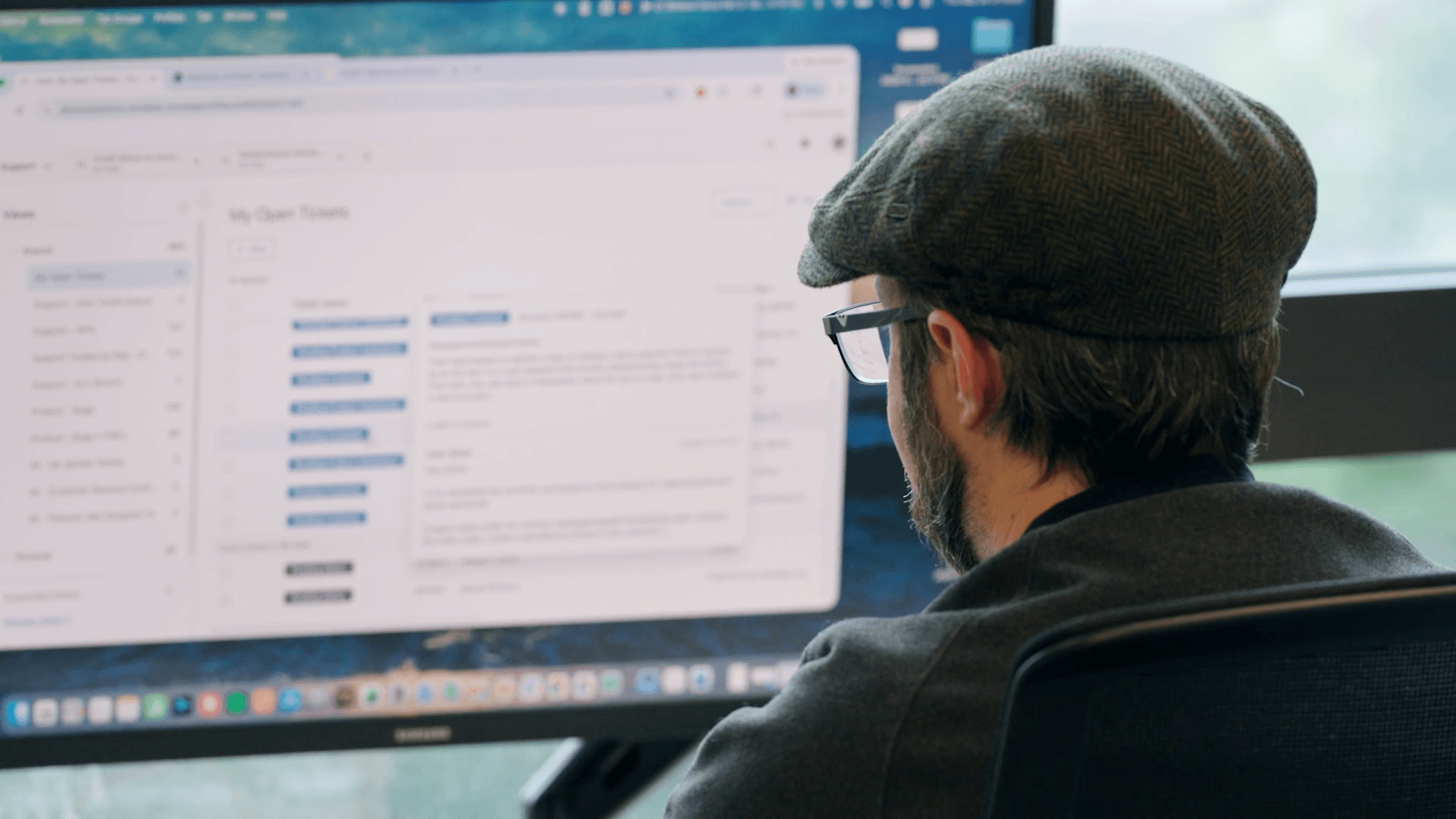
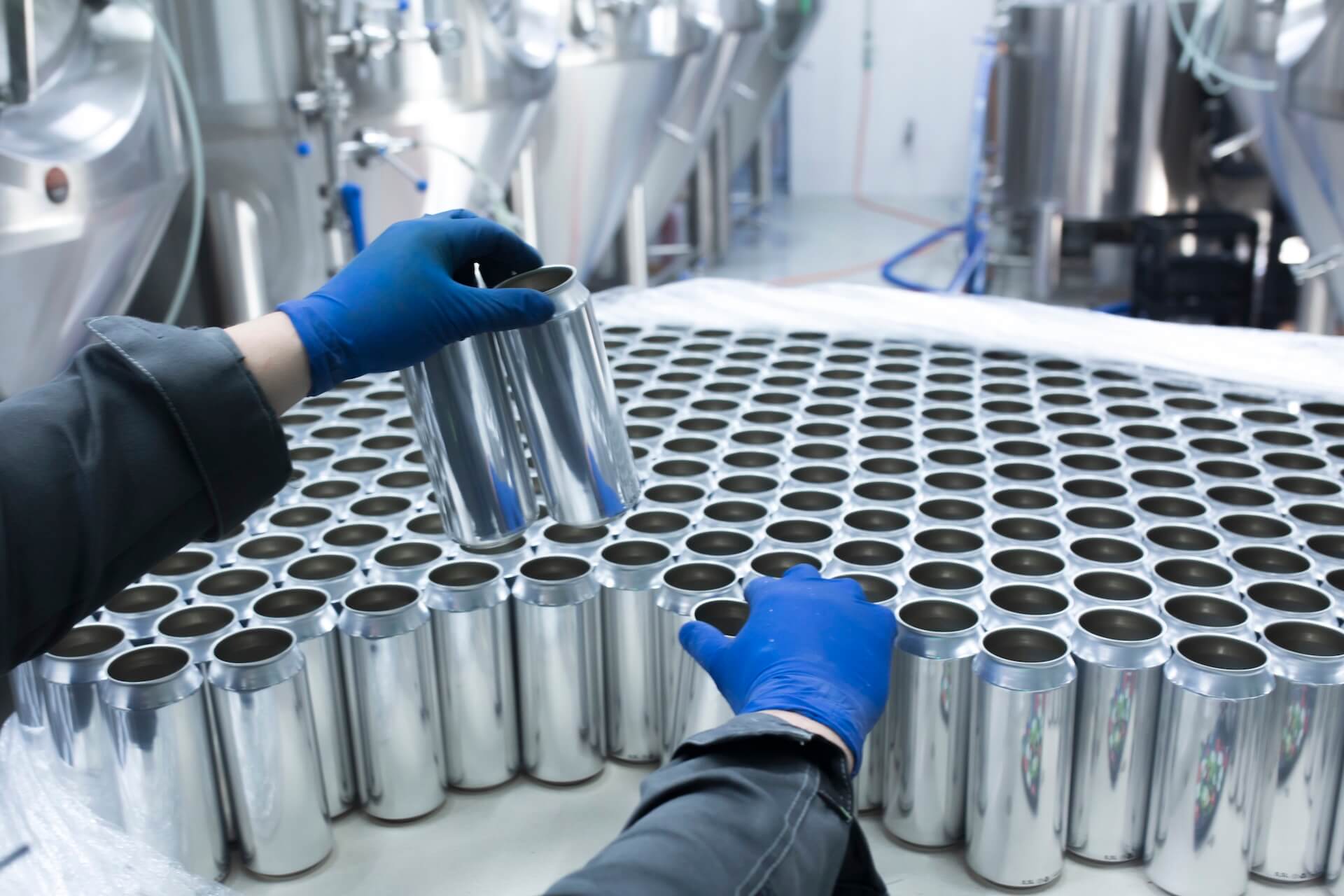
The best technology insights never come from meetings. They come from the production floor. Specifically, from watching someone two racks up in a rickhouse read barrel numbers down to a coworker scribbling them on a clipboard — because the software that was supposed to track those barrels lived on a computer in an office a quarter mile away.
That scene repeats itself, in some form or another, at distilleries everywhere. And it has taught my team more about building distillery software than any brainstorming meeting ever could.
Most Distillery Software Was Built for a Desk, Not a Rickhouse
Walk into almost any distillery and you’ll find the same gap: the people doing the physical work and the system meant to capture that work are in two different places.
A rickhouse rarely has reliable Wi-Fi. Barrels get received, filled, dumped, and gauged in spots a desktop will never reach. So the data gets recorded later — hours or even days — after the fact.
This is not a knock on the staff. They’re working around software that was never designed for their jobs. Most enterprise systems assume a user at a desk, on a network, entering data after the job is done. If you’re going to move the data entry to where the work is actually occurring, then you’re going to have to break each of those assumptions.

Why Does the Production Floor Expose Software’s Limits So Fast?
Spirits production doesn’t happen at a desk, and software that assumes it does falls apart the moment it meets a rickhouse. When a system cannot capture data at the point of work, your ERP data is exposed to delays, inaccuracies, guesswork, and double-entry.
The market is also less forgiving than it was a few years ago. According to the American Craft Spirits Association, the number of active U.S. craft distillers fell roughly 25%, from 3,069 in August 2024 to 2,282 in August 2025, a contraction The Spirits Business also reported in detail.
When a market tightens like that, operational discipline stops being optional. The decisions that protect margin — which barrels are ready to harvest, which are still maturing, and exactly where each one sits in the rickhouse — all depend on accurate, real-time data. Lose that operational visibility, and you’re making production, harvest, and blending calls half-blind.
We Built Crafted Around What We Saw on the Floor
My team builds Crafted ERP, and the single most important input to how we build it is not a roadmap document. It is observation — watching real distillery staff navigate real production and warehouse environments, paired with a steady stream of input from our own support and implementation teams who live in these facilities during and after go-lives.
What we kept seeing pointed in one direction. The ERP is at its most powerful and returns the greatest multiple on your investment when it lives in the hands of the people actually doing the work rather than only the managers and back-office users. That insight drove Crafted ERP Mobile, built with offline-capable architecture, scan-to-locate barrel workflows, and flexible, role-based licensing that gives warehouse staff a focused window into exactly the part of the system their work touches. Staff who were never traditional “ERP users” in the past can now record what they do, where they do it, the moment it happens, all within the guardrails you set.
Why is Barrel Management the Real Proof Point?
Barrels are where a distillery’s competitive advantage sits and ages, and managing them well demands real-time data captured exactly where the barrels are, not reconstructed later from memory or liquid-stained, handwritten paper notes.
Real-time barrel inventory, barrel characteristics, liquid details, and age statements are what empower confident fill, harvest, blending, and packaging. Get that data as the work is happening, and every decision and process downstream gets sharper.
We launched Crafted ERP Mobile with barrel management for a simple reason: if mobile software can hold up in a dark, remote, offline rickhouse, it can hold up anywhere in the distillery.
What “Built for the Production Floor” Actually Means
For us, purpose-built software comes down to a handful of principles: job-focused functions, role-appropriate access, and point-of-work data entry. It also means putting the quality-of-life tools production and warehouse staff need right in their pockets, like distilling calculators for proofing, blending, volume-to-weight conversions, and packaging.
Here’s the part that matters most when evaluating systems: every transaction entered on the floor flows directly into production records, lot traceability, compliance, and financials. No reconciliation step. No duplicate entry.
Crafted ERP Mobile is not a separate app stitched on through an integration. It’s another live interface into the same Crafted system, built in Oracle NetSuite, that your office team already knows and depends on.
That distinction is easy to gloss over and expensive to get wrong. An integration syncs two systems and hands you two versions of the truth to reconcile. One platform gives you a single version, updated the moment the work happens.
How Should You Evaluate Mobile Capability in Distillery ERP?
As you evaluate mobile solutions moving forward, ask three questions:
- Does it work where the work happens? If it needs reliable Wi-Fi in a rickhouse, it will fail on day one.
- Can the people doing the work actually get in? Licensing and access models that shut out warehouse staff defeat the entire purpose.
- Is it one system or two? Data entered on the floor should automatically update your production, compliance, and financial records, with no one having to reconcile it later.
If the answer to any of these feels shaky, you are probably looking at a solution that will create more work on the floor than it removes.
Software Should Fit the Work, Not the Other Way Around
The lesson the production floor taught us is easy to state and hard to fake: software earns its place by fitting the work, not by asking the work to fit it. For any distillery weighing an ERP decision, that is the standard worth holding every platform to — including ours.
If you want to see how Crafted approaches the realities of distillery production, I would genuinely like to talk. Reach out to our team to set up a business analysis or a personalized demo, and bring your hardest floor-level questions.
About Jason Hatfield
Jason Hatfield is head of product at Doozy Solutions, the team behind Crafted ERP, where he leads product strategy and engineering. With over 25 years of software experience and nearly 15 years in ERP, he works closely with beverage producers and Crafted’s field organization to shape the platform’s approach to the day-to-day realities of beverage manufacturing.